Large Language Models
Tokens, context windows, RAG, fine-tuning, and how LLMs actually think.
13 articles
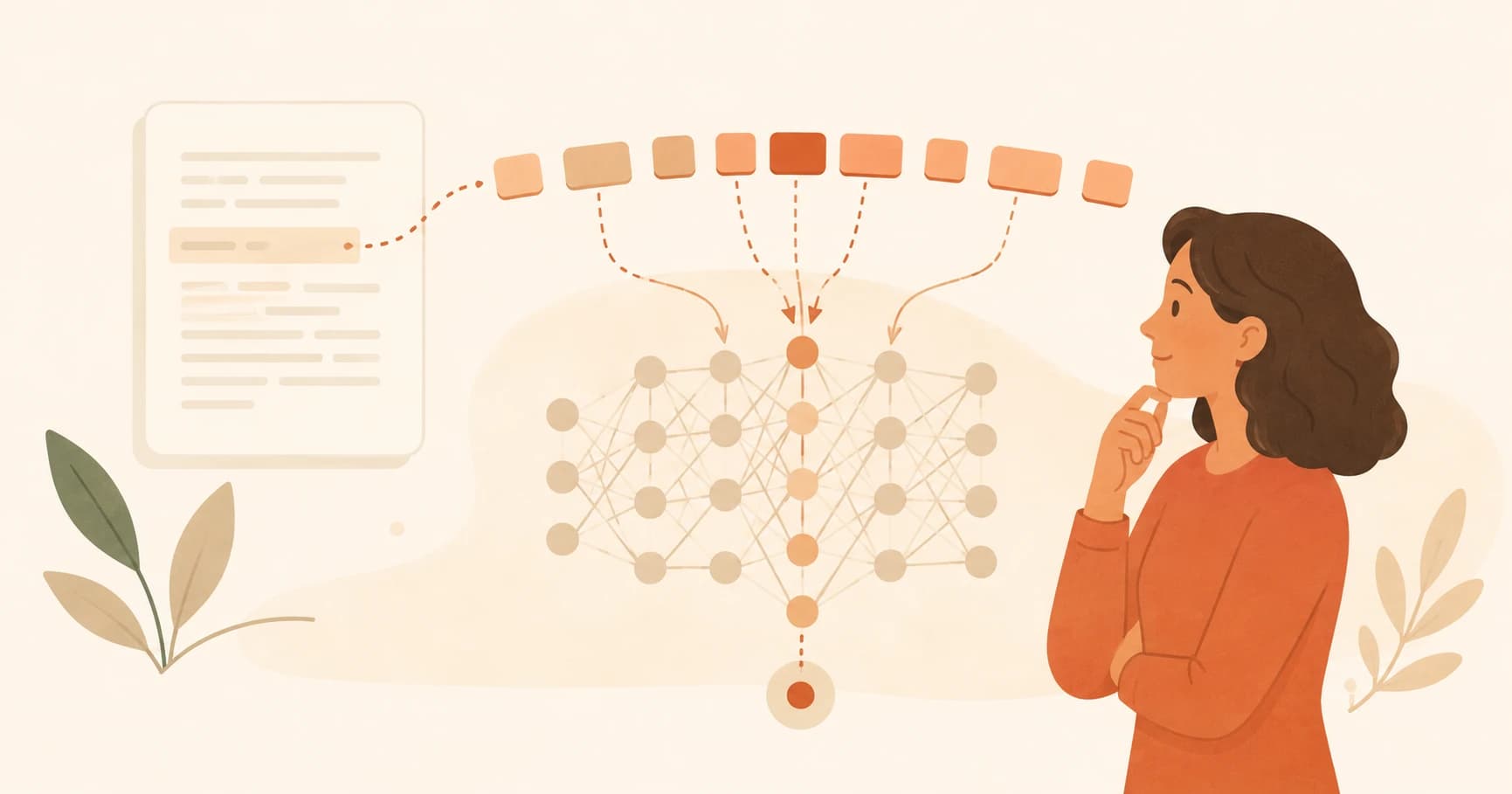
How Large Language Models Actually Work, No Math Required
Curious how ChatGPT or Claude actually works? This lesson explains tokens, training, and inference in plain English — no math, no jargon, just clarity.

LLM Fine-Tuning Explained: What It Actually Changes
Fine-tuning retrains a model on your own examples to change its behavior permanently. Here's what that means and when you actually need it.

Open-Source vs Closed-Source LLMs: What's the Difference?
Some AI models you download and run yourself, others you only access through an API. Here's what that actually changes for you.

RAG vs Fine-Tuning: Which Does Your AI Actually Need?
RAG handles knowledge that changes, fine-tuning handles behavior that shouldn't. Here's how to tell which one your project actually needs.

Small vs Large Language Models: What's the Real Difference?
A small language model trades broad knowledge for speed and running on your own device. Here's when smaller actually wins.
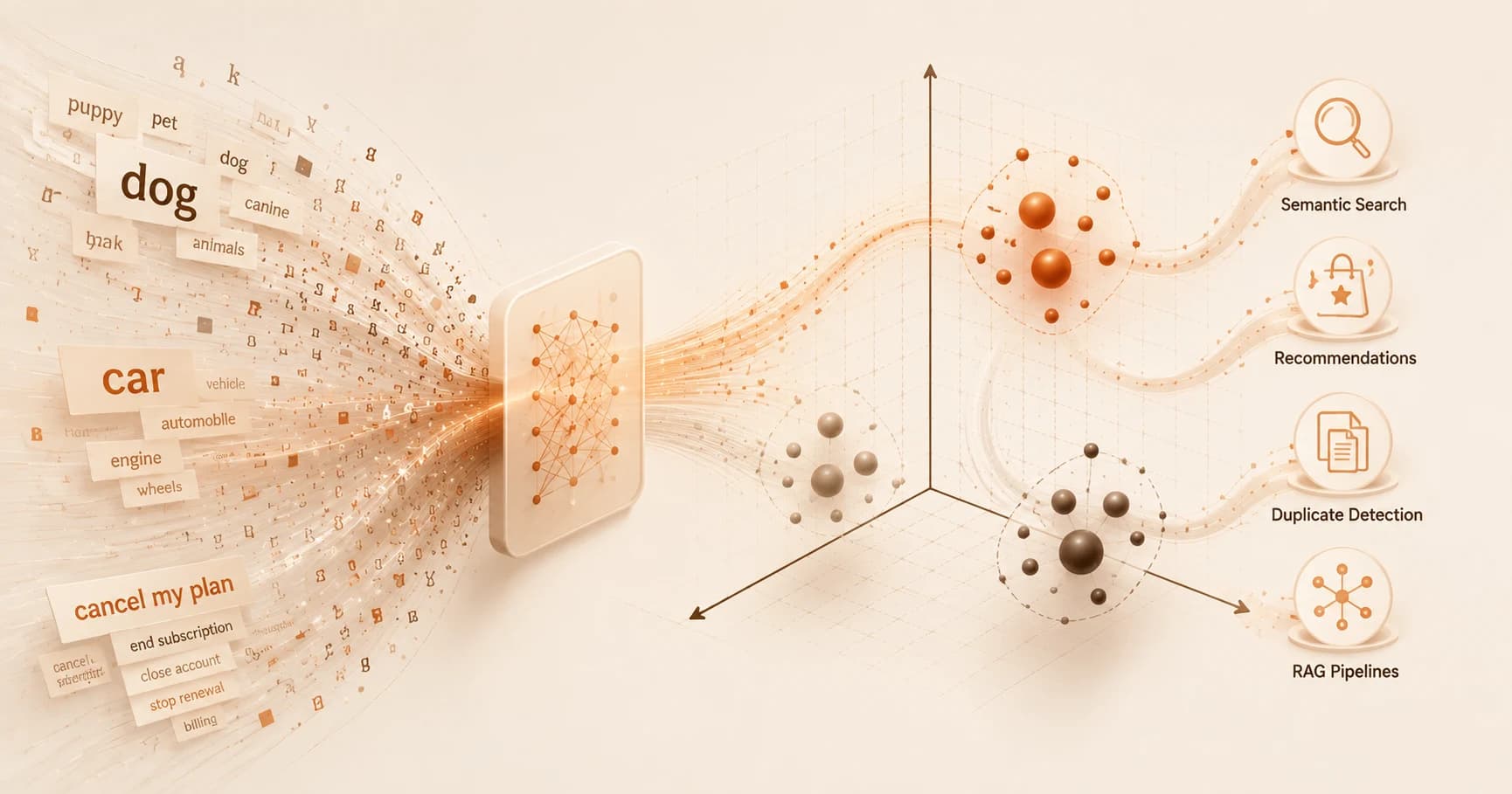
What Are Embeddings in AI? Turning Meaning Into Numbers
An embedding is a list of numbers that captures meaning, so similar ideas end up close together. Here's how that actually works.

What Are Tokens in AI? The Unit Behind Every AI Answer
Tokens are the chunks of text an AI model actually reads and bills you for, not words. Here's what that means for your prompts and your bill.

What Is a Context Window? Why AI Chats Have a Memory Limit
A context window is the maximum text an AI model can read and reason over at once, measured in tokens. Here's what that limit actually means for you.

What Is a Large Language Model? A Clear, No-Math Explainer
A large language model (LLM) is an AI trained on huge amounts of text to predict language, one token at a time. Here's what that means, in plain English.

What Is a Transformer Model? The Idea Behind Every LLM
A transformer is the neural network design behind GPT, Claude, and Gemini. Here's what self-attention actually does, without the math.
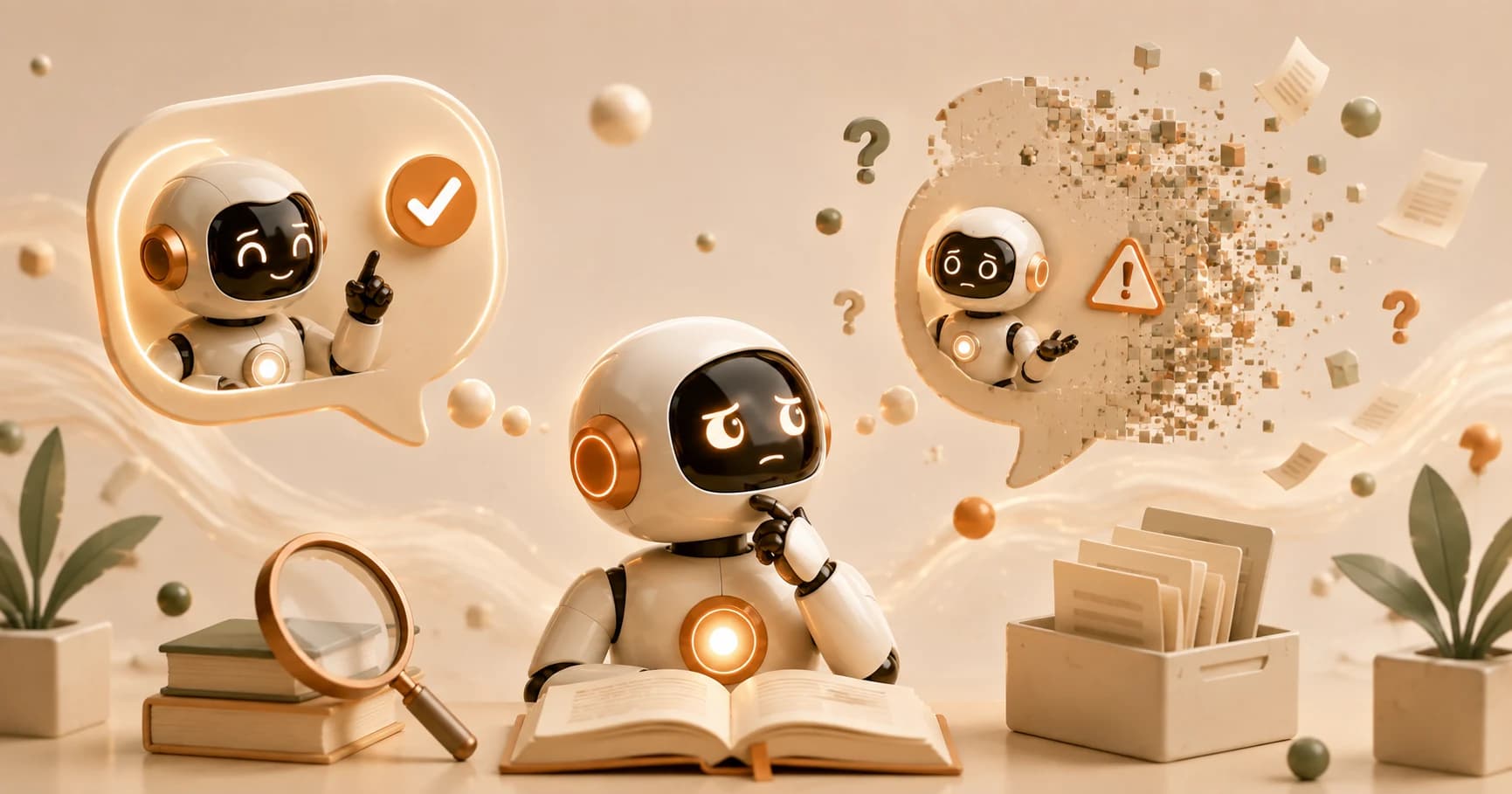
AI Hallucination Explained: Why Models Guess Confidently
AI hallucination is when a model states false information as confidently as true information. Here's why it happens and how to catch it.

What Is RLHF? How AI Models Get Trained to Be Helpful
RLHF is how a raw AI model gets shaped into a helpful assistant. Here's what changes, in plain English, no PPO math required.
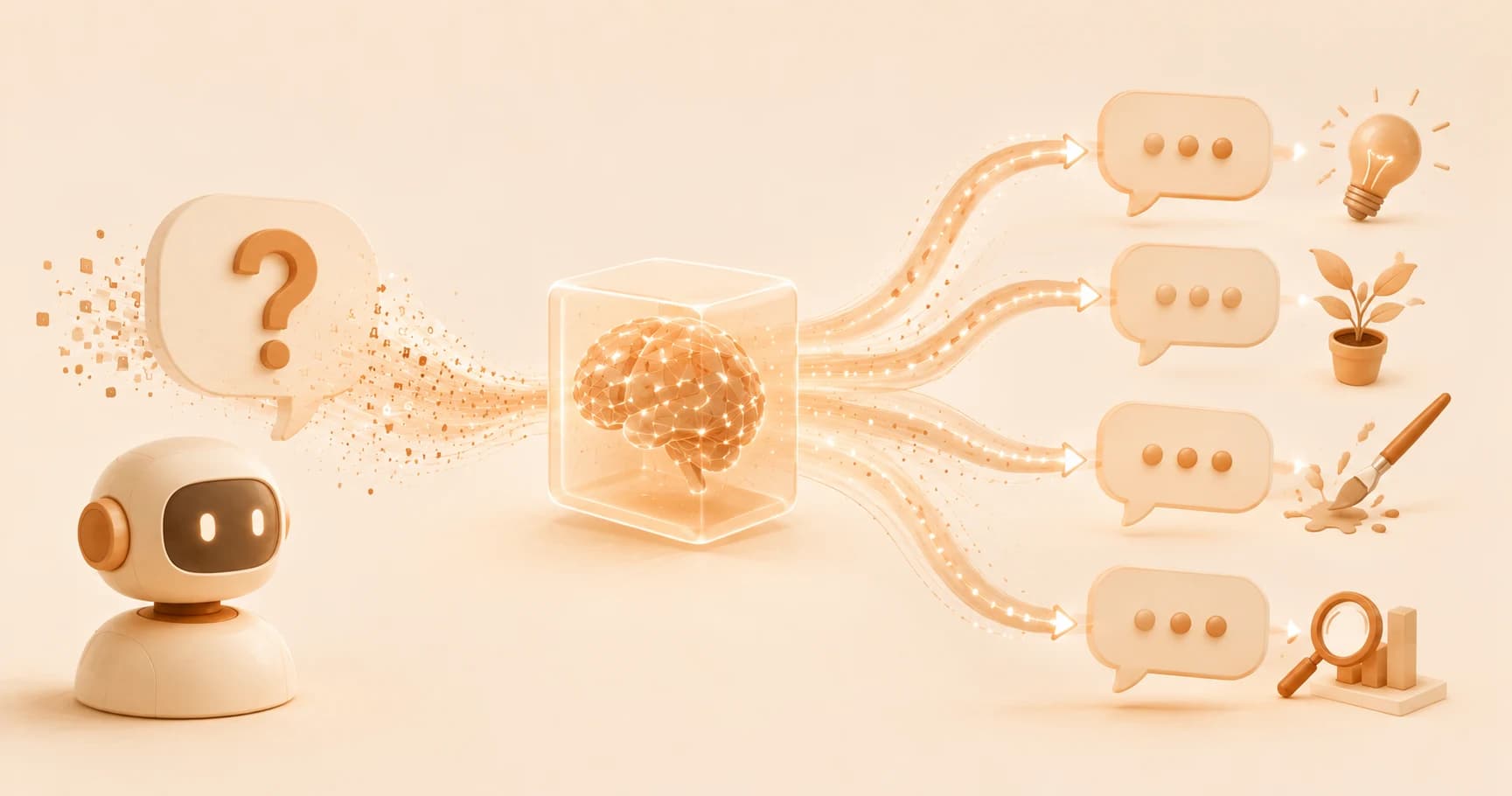
Why Does AI Give a Different Answer Every Time You Ask?
Ask an AI the same question twice and get two different answers. Here's why, temperature, sampling, and a surprising fact about 'zero.'